RFNBO compliant and ISCC certified
Our methanol is ISCC-certified RFNBO (renewable fuel of non-biological origin) compliant.

Methanol sales

RFNBO compliant and ISCC certified
Our methanol is ISCC-certified RFNBO (renewable fuel of non-biological origin) compliant.
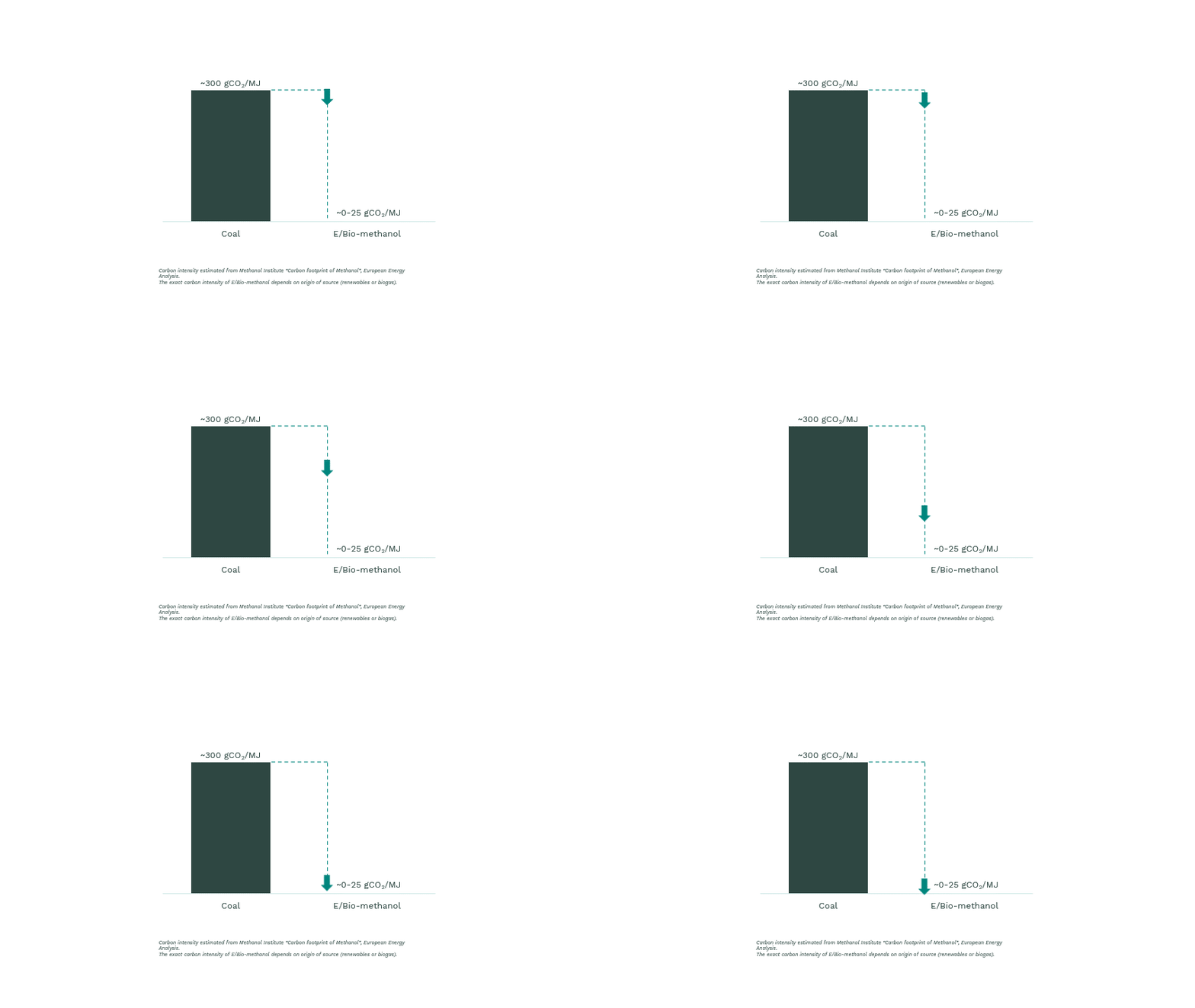
By using methanol from renewables or biogas sources, the carbon footprint can be significantly reduced.
Maersk uses e-methanol from Kassø as fuel for their first vessel that can operate on alternative fuels.

The LEGO Group will use e-methanol from this facility to help produce strong and rigid LEGO pieces – including its iconic Minifigure hands.
Novo Nordisk takes a step towards substituting fossil-based plastic with lower-carbon sources to be used in medical devices such as insulin pens.

OMV is the first Kassø offtaker announced after EU Member States began implementing the Renewable Energy Directive (RED) III requirements for Renewable Fuels of Non-Biological Origin (RFNBOs), reflecting growing demand in the transportation fuel sector.
E/Bio-methanol is the same product as methanol (wood alcohol), which is already used as a fuel in combustion engines and as a raw material in the chemical industry. Today, more than 100 million tonnes of methanol are produced annually using natural gas and coal. E-methanol, however, is a green alternative because it is produced using renewable energy and biogenic CO2 captured from e.g. biogas plants and waste incineration.
European Energy’s next-generation green methanol will combine bio- and e-methanol in a single blend. It is produced from biomethane using electrified Steam Methane Reforming (e-SMR), supplemented with hydrogen from electrolysis.
Methanol can be used in a range of different products and materials:
Other industries that can use green methanol to decarbonise their supply chains include the textile industry, pharmaceuticals, and other industrial uses.
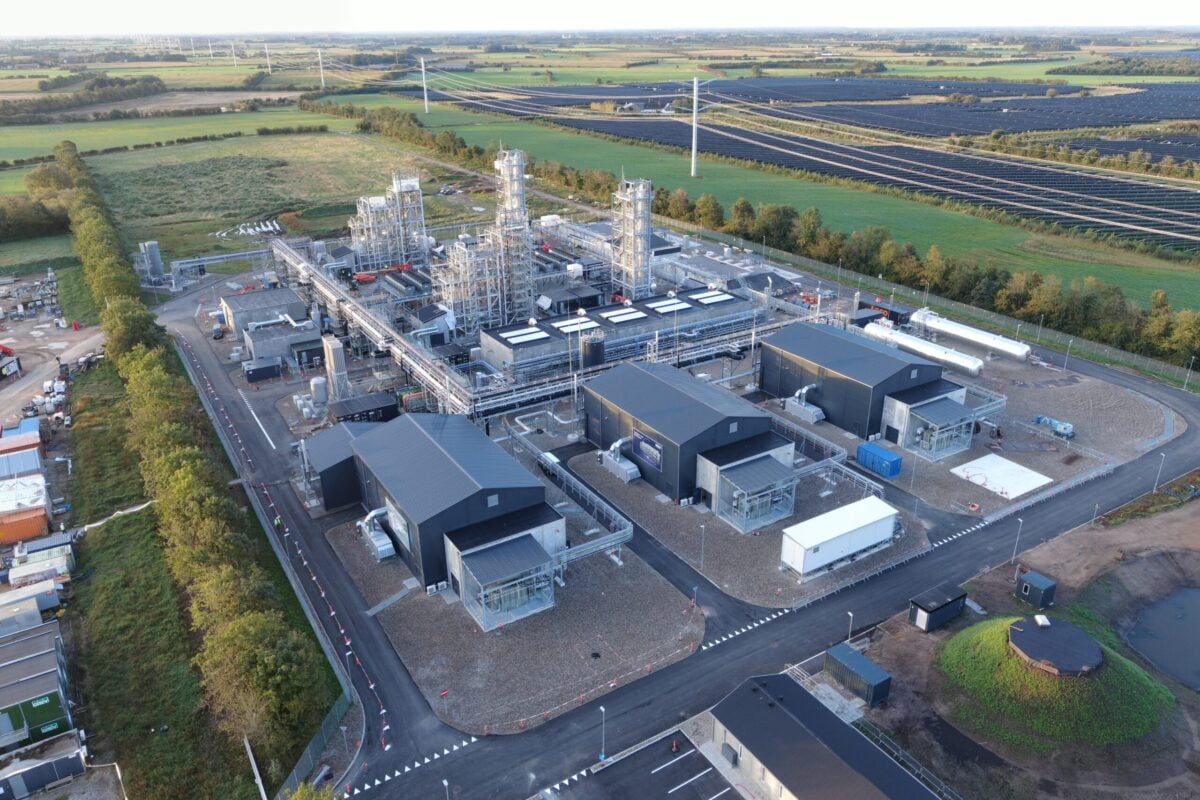
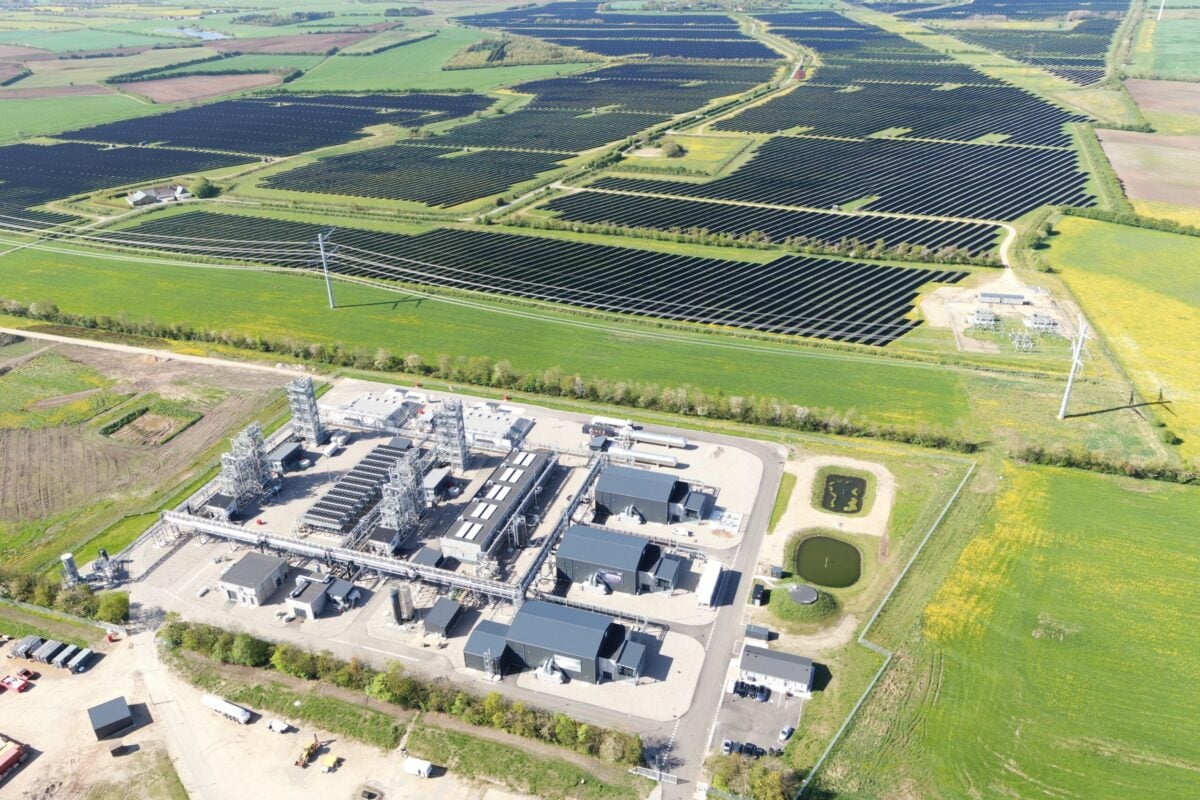
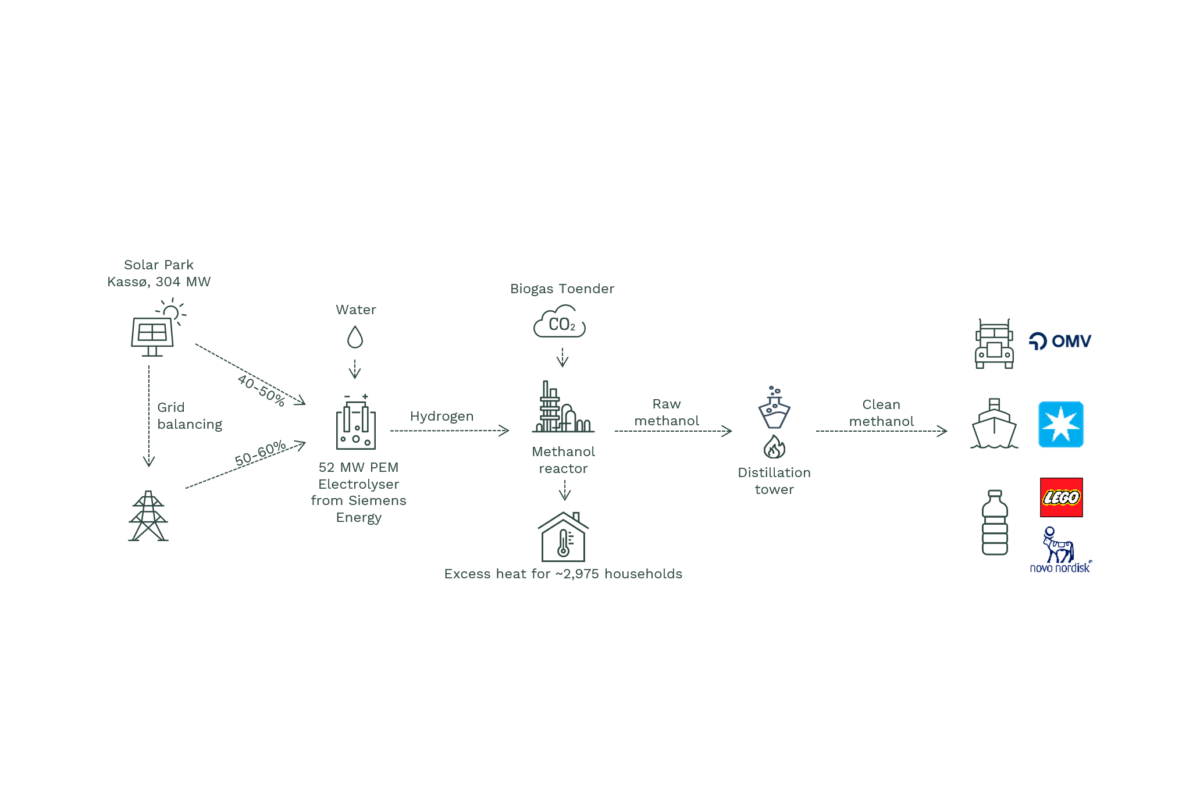
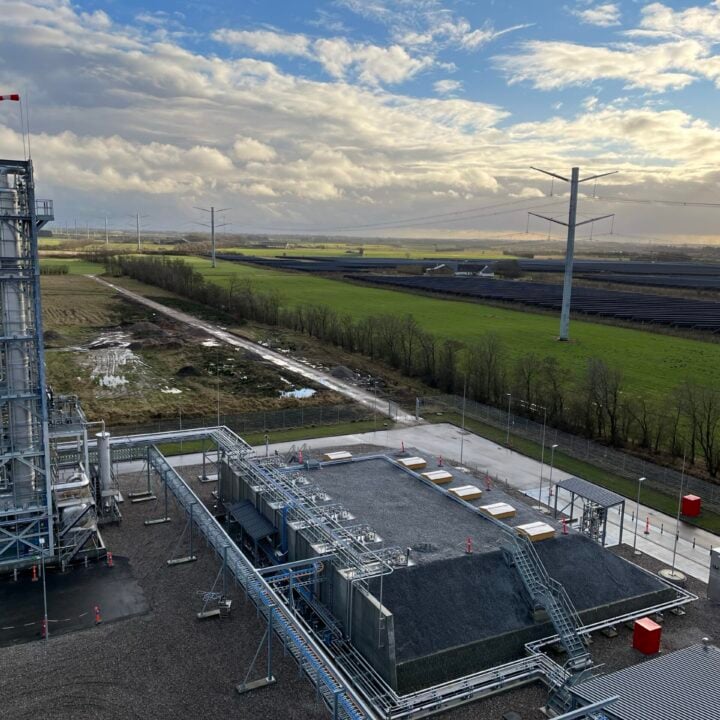
Approximately half of the electricity needed to produce hydrogen, and subsequently e-methanol, at our Kassø plant comes from the neighboring Kassø Solar Park. For the remaining energy needs, Danske Commodities provides grid-balancing and optimisation of the consumption.
European Energy has full value-chain capabilities with own supply of renewable electricity, as well as liquefaction of biogenic CO2 from Tønder Biogas. Organic waste is liquefied by an Ammongas solution (owned by European Energy) and supplied to Kassø e-methanol facility approximately 30 kilometres away.
Succeeding with the green transition requires using all the tools at our disposal – that of course includes electrification, but also the need to develop the solutions to decarbonise energy consumption in sectors where electrification falls short.
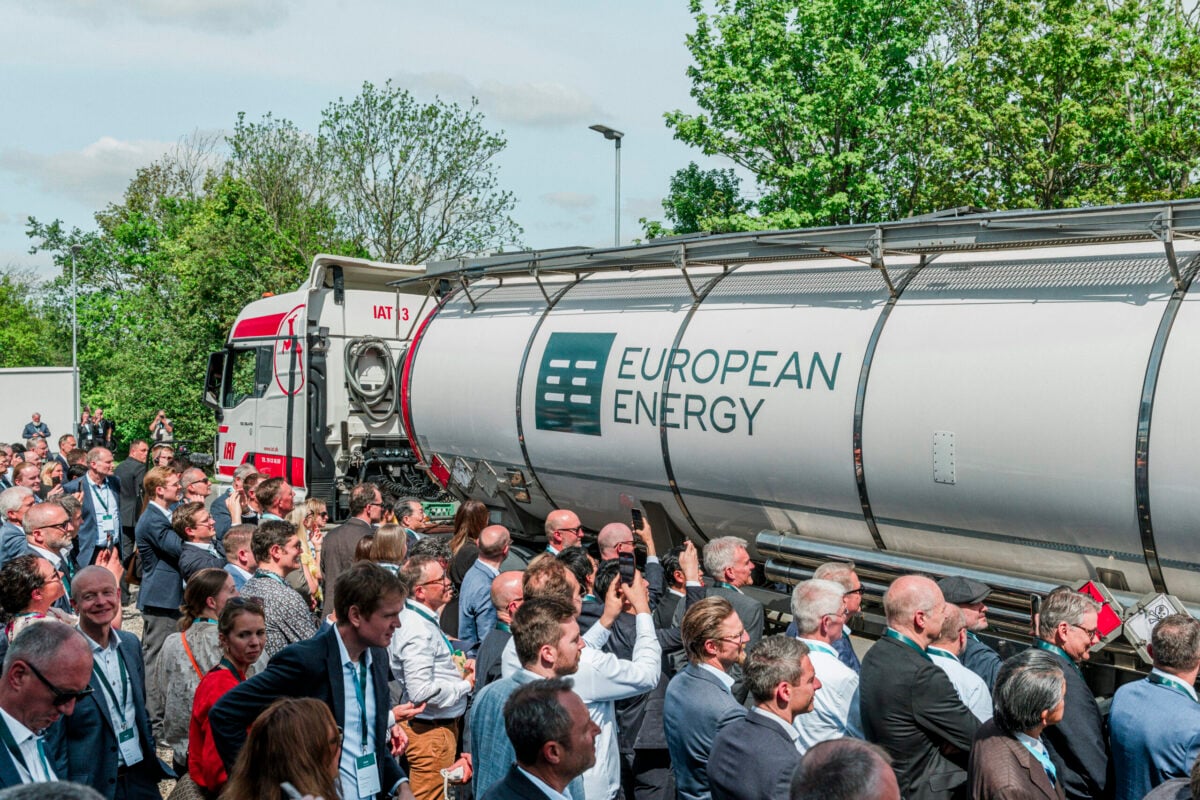
“We have here the full value chain from the production of electrons to e-methanol, and a beautiful vessel in the harbour that has successfully completed bunkering. So, mission completed.”Knud Erik Andersen, CEO European Energy, 13th of May 2025
Solidifying our leadership within Power-to-X
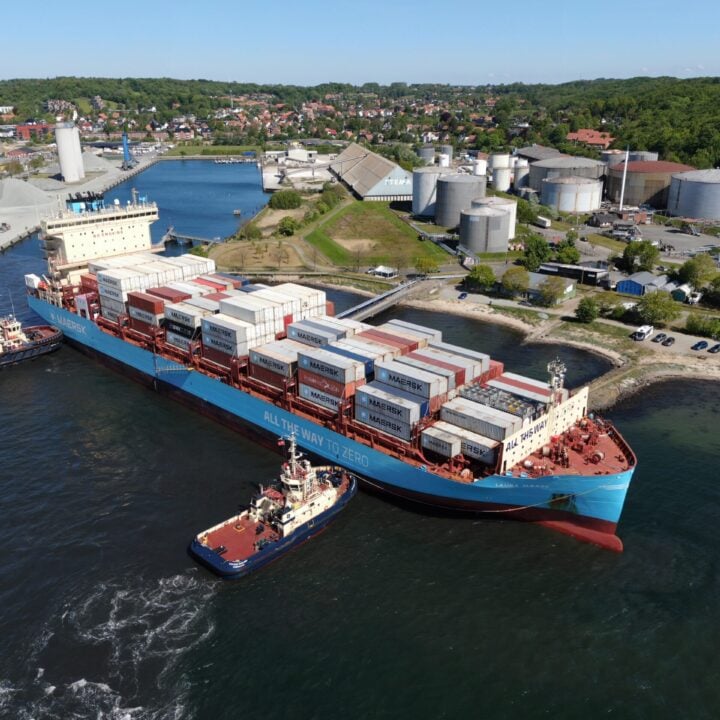
From 2025 and onwards, we are scaling up and pricing down our methanol production for a more competitive product to be used broadly across many industries.
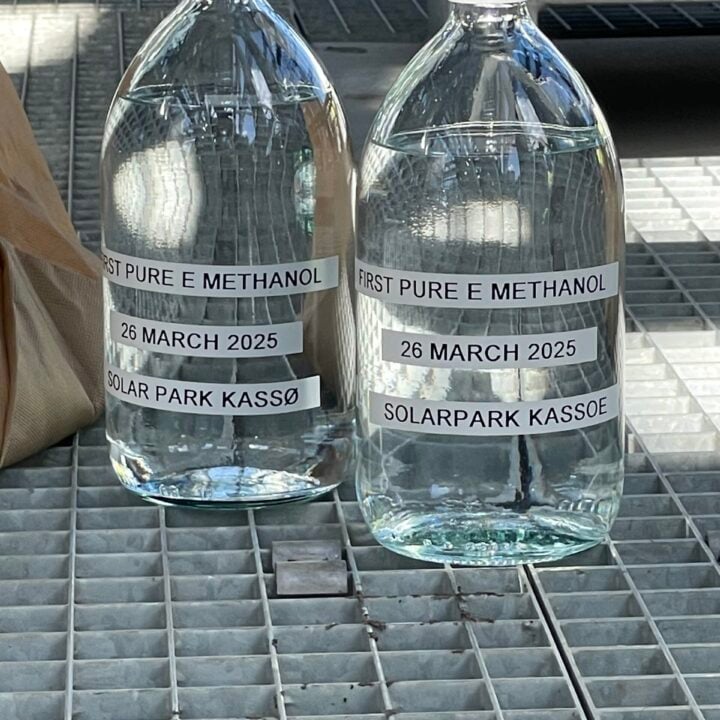
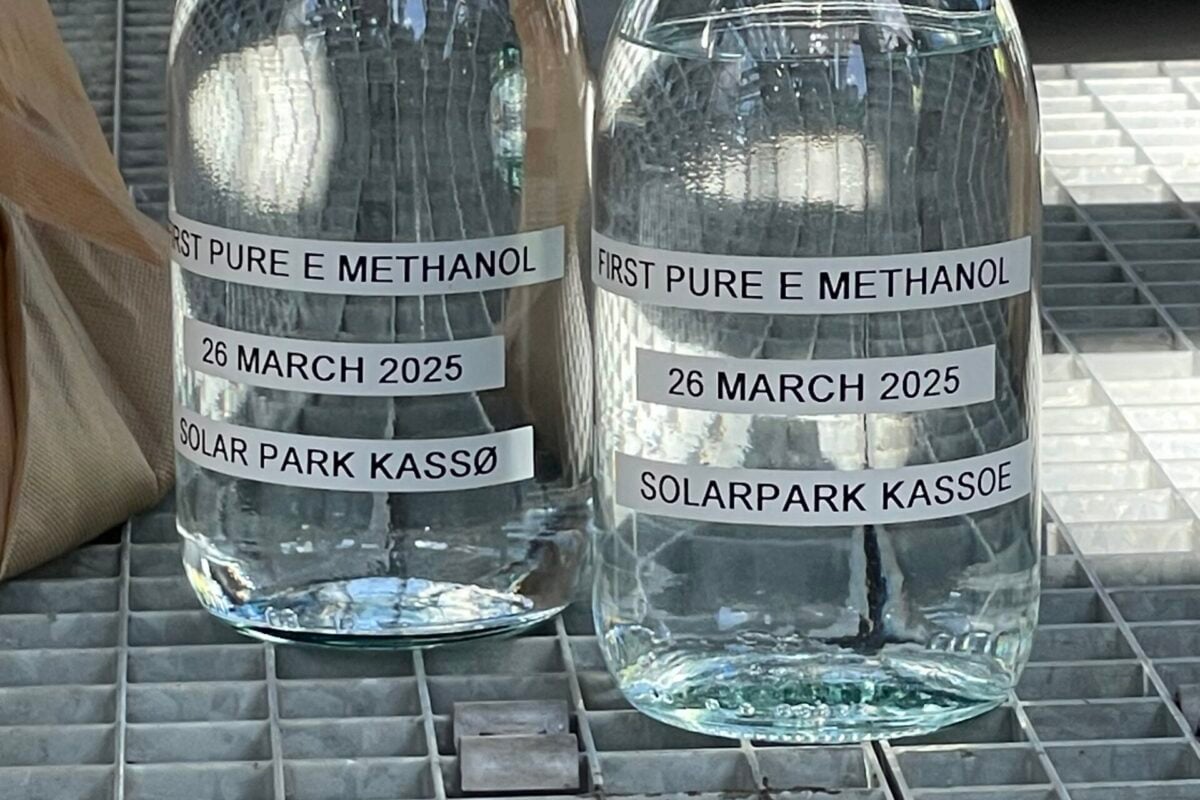
In 2025, we have produced the first drops of industry-grade e-methanol at Kassø
We entered an agreement with Petrobras to develop green methanol in Brazil
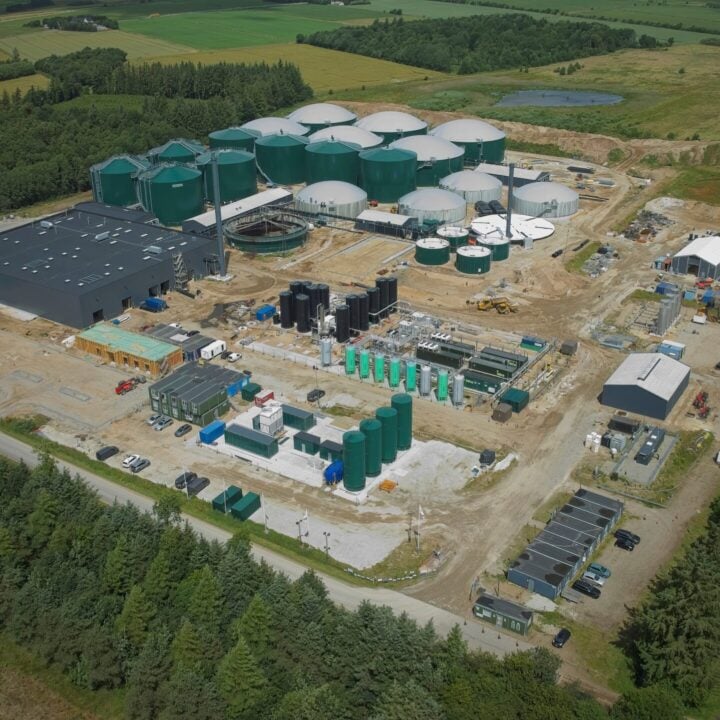
Technical completion of Ammongas carbon capture and liquefaction plant in Tønder, Denmark
EU Innovation Fund grant (EUR 55.8 million) received for next-generation Power-to-X in southern Denmark
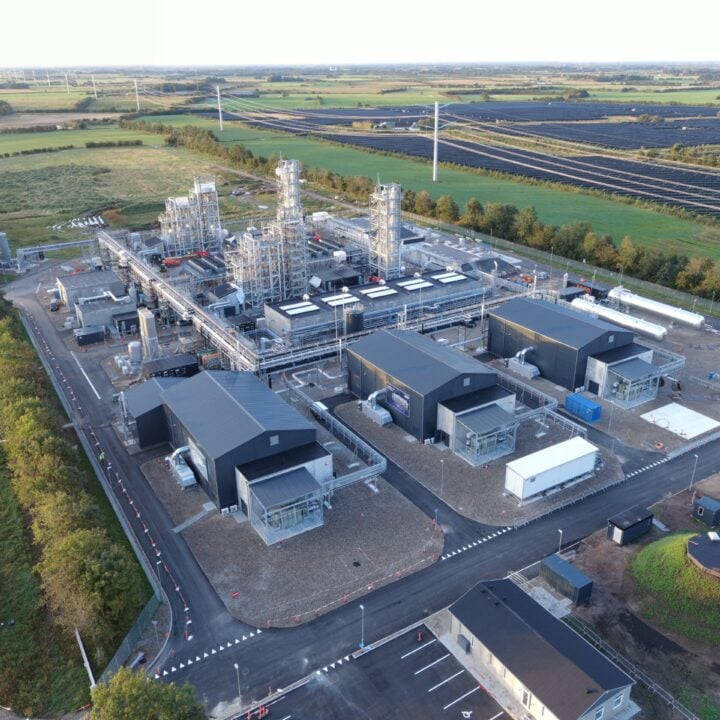
We grid-connected the world’s first large-scale e-methanol facility
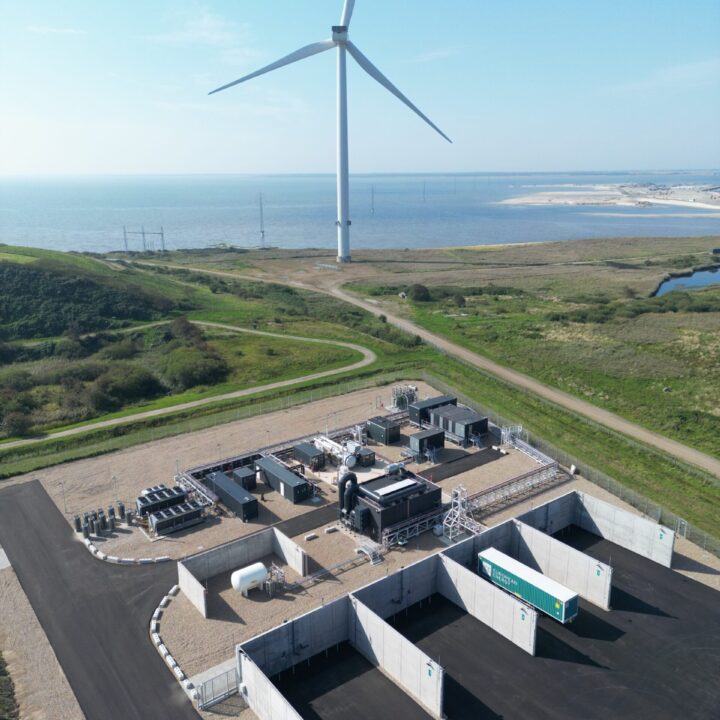
In 2024, we inaugurated Måde Green Hydrogen Facility