
Power-to-X
Power-to-X substitutes fossil-fuels and decarbonises industries
Power-to-X projects delivering certified e-fuels
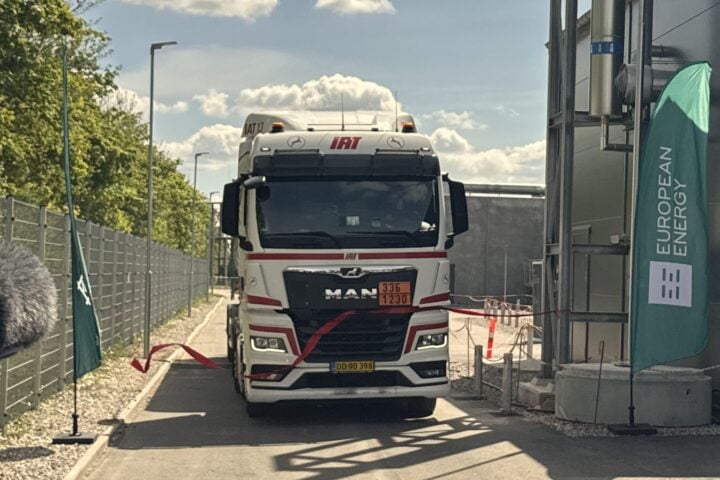
European Energy produces and supplies e-methanol and hydrogen with a clear commercial end in mind — structured around offtake agreements, partnerships, and financial arrangements that work for both sides. As of June 2026, we are the only European producer of methanol certified by ISCC as a Renewable Fuel of Non-Biological Origin (RFNBO), and an ISCC-certified RFNBO producer of green hydrogen. Our products are eligible for use under FuelEU Maritime and ReFuelEU Aviation regulations, as well as national quota systems. We work with customers across shipping, chemicals, and industrial sectors to agree on volumes, delivery, and certification documentation.
We engage across the full value chain for both e-methanol and hydrogen. Whether you are looking to co-develop or co-invest in new Power-to-X projects, acquire a completed and operational facility, or secure a long-term offtake agreement for certified e-fuels, we are open to the conversation. Get in touch to explore what makes sense for your position in the market.
If you are looking to source certified e-fuels or explore a project partnership, get in touch.


What is the “X” in Power-to-X?
There are many outputs from Power-to-X. The primary ones at European Energy are:

Green hydrogen
Green hydrogen can be used directly in heavy industries such as steel or cement production. Here, hydrogen can replace fossil fuels, including industrial process heat. In addition, hydrogen can be used as storage for renewable energy and, when needed, used as fuel in fuel cells to generate electricity for e.g., the transportation sector.

E-methanol
E-methanol is the product of a chemical process based on green hydrogen and biogenic CO₂. In the process, biogenic CO₂ is used and captured from existing CO₂ sources. E-methanol has many applications, including being used as fuel for heavy transport such as trucks and ships, or as a raw material for the plastic industry and the production of green sustainable plastic products.

E-SAF
E-SAF is sustainable aviation fuel based on electrolysis. It is a more sustainable alternative to conventional aviation fuel and can be used as a direct replacement.

FAQ about Power-to-X
Why is Power-to-X important?
The fuels produced using Power-to-X technology have the potential to provide an alternative energy source for industries where electrification is not possible, such as heavy transport and aviation. Furthermore, the chemicals produced can be applied in sectors using finite and polluting resources and raw materials by offering alternatives to e.g., plastic. All of these industries can benefit greatly from substituting carbon emitting fossil fuels with carbon-neutral e-fuels and sustainably produced chemicals.
Power-to-X is an important resource in the green conversion of our society. It has the potential to put a big dent into the heaviest carbon emissions globally, while ensuring that people are still able to travel fast and distant and have anything shipped from anywhere. European Energy is a key player in the development of this technology.
What is Power-to-X and how does it work?
Power-to-X utilises renewable energy from e.g., solar and wind farms to power an electrolysis process, where water is split into green hydrogen (H2) and oxygen (O2). The green hydrogen can then be used directly as an energy source or as a base for further processing, for instance by combining it with carbon to form a variety of e-fuels and chemicals.
How can the local community benefit from a Power-to-X facility?
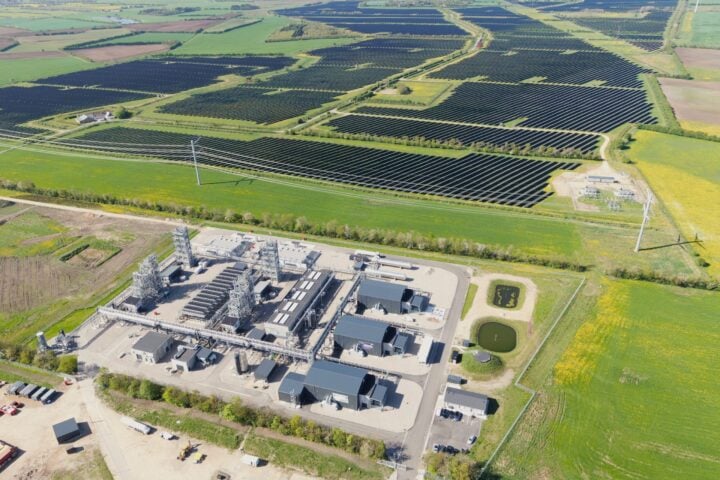
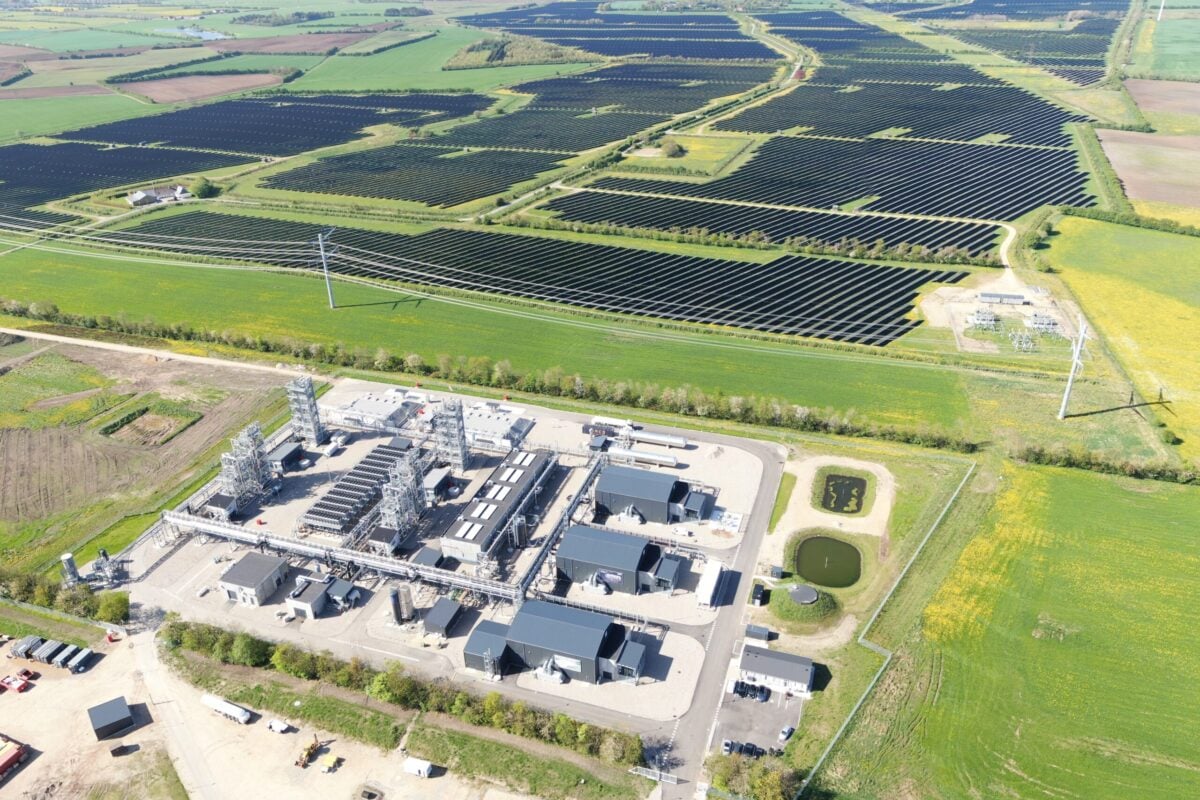
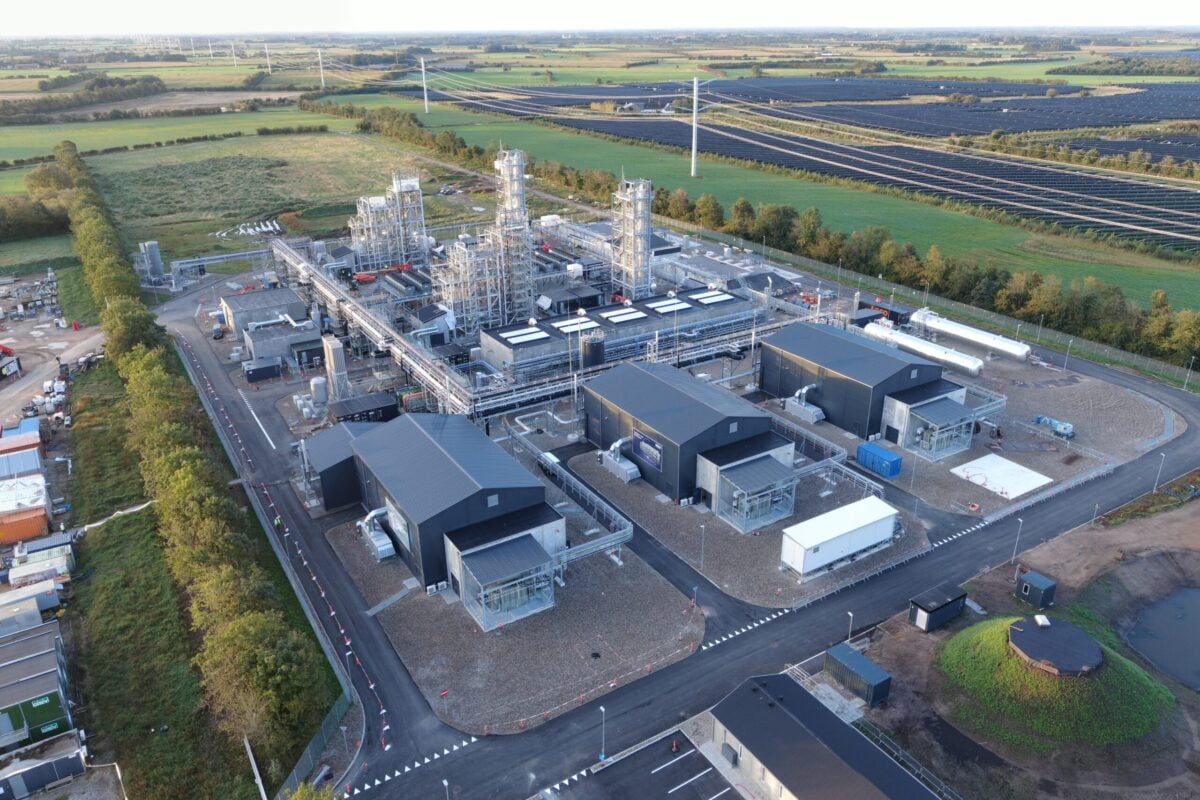
There are many ways in which a Power-to-X facility can be an asset in its surrounding community. It can enter into the network of existing utility companies and engage in sector coupling for e.g., water-, heating-, and cooling supply. In Kassø, the e-methanol facility will generate heat for up to 3,300 local households.
We also seek to employ as locally as possible, creating up to 40 jobs in both the construction and operation of the site. Additionally, the activity of a Power-to-X facility can bring further investments and funding to projects in the community and can be an important factor in branding the municipality as leading within the green transition, with Aabenraa Municipality being a prime example.
Our facilities are established with respect for the surrounding environment. Great precautions are taken for the welfare of animals, conditions of the groundwater, noise levels, pollution, and the preservation of nature and environment without our facility impacting it.
In connection with planning, construction, and operation, we seek to utilise any possible synergy and optimal coexistence in a well-thought-out energy cycle for the benefit of both the local community and the business community.
What is e-SMR?
E-SMR stands for electrified Steam Methane Reforming. It’s a new way to produce green methanol — a clean fuel and chemical — using renewable electricity and biogas instead of fossil gas. Today, most methanol is made from fossil fuels, which creates a lot of CO₂ emissions. With e-SMR, European Energy can produce methanol with very low — and sometimes even negative — emissions. The costs of producing green fuels also go down significantly allowing a faster scale-up.
What are RFNBO fuels?
RFNBO stands for Renewable Fuels of Non-Biological Origin — the EU’s regulatory classification for fuels produced from renewable electricity, such as e-methanol and green hydrogen. Under the Renewable Energy Directive, fuels must meet strict RFNBO criteria to count towards renewable energy targets in sectors such as shipping, aviation, and industry. The ISCC EU certification process covers independent verification of renewable electricity sourcing and the carbon origin used in production, helping establish consistent standards across the industry. Kassø e-methanol is eligible for use under the EU’s FuelEU Maritime and ReFuelEU Aviation regulations, as well as in national quota systems.
For buyers, this means that purchasing RFNBO-certified fuels from European Energy provides the documentation needed to meet regulatory obligations and demonstrate compliance with EU climate targets.
What is ISCC certification, and why does it matter?
ISCC (International Sustainability and Carbon Certification) is one of the approved certification schemes recognised under EU RED (Renewable Energy Directive). ISCC certification confirms that a product meets the sustainability and traceability requirements needed to qualify as RFNBO-compliant. For buyers, this means the e-methanol they purchase can be counted towards their regulatory obligations and reported in sustainability disclosures with a verified chain of custody.
What is e-methanol, and who uses it?
E-methanol is the same product as methanol (wood alcohol), which is already used as a fuel in combustion engines and as a raw material in the chemical industry. Today, more than 100 million tonnes of methanol are produced annually using natural gas and coal. E-methanol, however, is a green alternative because it is produced using renewable energy and biogenic CO₂ captured from e.g. biogas plants and waste incineration. The result is a fuel with a significantly reduced carbon footprint compared to fossil-based alternatives, designed to support the decarbonisation of sectors that are otherwise difficult to electrify directly.
Current applications include:
- Shipping: A.P. Møller–Mærsk uses e-methanol from Kassø to fuel Laura Mærsk, the world’s first container vessel capable of operating on methanol.
- Plastics and chemicals: The LEGO Group and Novo Nordisk use e-methanol to replace fossil methanol in their plastics production processes.
- Industrial use: OMV sources e-methanol from Kassø for lower-carbon industrial applications.
- Synthetic gasoline: E-methanol from Kassø has been converted into synthetic gasoline grades — including RON95 E10, RON98 E10 and RON102 — all compatible with existing vehicles and fuel distribution systems.
Can e-methanol be used in ordinary vehicles?
Yes. When processed into synthetic gasoline, as demonstrated in the German DeCarTrans project. The gasoline grades produced from Kassø e-methanol (RON95 E10, RON98 E10, RON102) are fully compatible with existing vehicles and distribution systems. No modifications to engines or infrastructure are required. E-methanol can also be used directly as a marine fuel or as a feedstock for e-SAF production.
How do I buy e-methanol or hydrogen from European Energy?
European Energy supplies two certified products from operational facilities in Denmark:
- E-methanol from the Kassø Power-to-X facility, with an annual production capacity of 42,000 tonnes, ISCC-certified and RFNBO compliant.
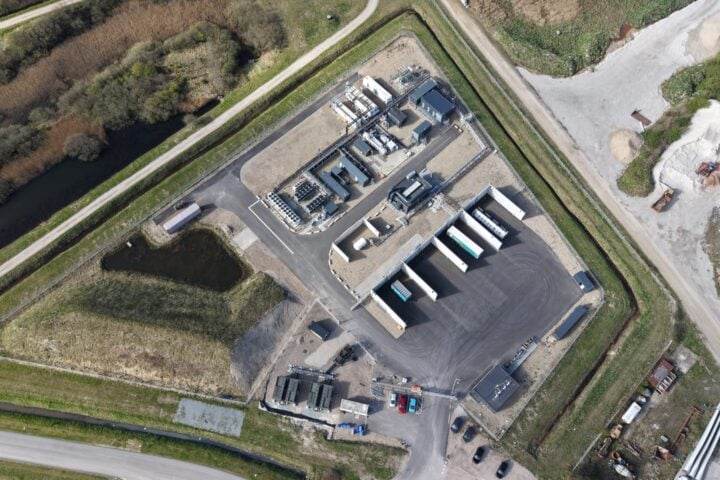
- Green hydrogen from the Måde facility, ISO 9001 certified for distribution, authorised by the Danish Safety Technology Authority to handle and manage distribution on behalf of customers. The hydrogen is also ISCC-certified and RFNBO compliant.
We work with customers to define the right commercial model for each technology and project, covering offtake structures, delivery, and the financial setup. Partnerships can take several forms — co-investment, long-term offtake agreements, or project-level collaboration — depending on the technology and market.
To explore supply options, contact our Power-to-X commercial team.